
For homeowners and renters dealing with mold and moisture
Mold Remediation in South Carolina: One Call Starts It
Mold Remediation in South Carolina means finding the moisture, containing the mold and cleaning or removing what it grew on. Call (888) 318-2605 and we connect you with an independent company that serves your area. Whether it is a musty crawl space or a stained ceiling, that company explains the plan and does the work directly with you.
Phone only, no formsIndependent local companiesMoisture source first
Call now to speak to a specialist
Call (888) 318-2605What's included
What Mold Remediation Usually Includes
The independent company defines the exact scope for your property. In general, a remediation job covers the items below, and some homes need additional work such as structural repair or crawl space encapsulation, which the company explains directly.
Describe it on the call
Tell the line what you see or smell and where it is, so the company knows what it is walking into.
Moisture source first
Independent companies generally look for the water source before cleaning, so mold does not return.
Contained work
Containment and HEPA filtration keep spores out of the rest of the house during removal.
Ask for records
Ask the company for moisture readings and photos so you have a record for your insurer.
Service overview
What Mold Remediation in South Carolina Involves
Mold Remediation in South Carolina is the process that finds and fixes the moisture feeding mold, then contains, cleans or removes the affected materials and dries the space. The usual order is moisture first, containment second, removal third, HEPA filtration throughout, then drying and a check. Skipping the moisture step is the most common reason mold returns within a few months.
South Carolina is humid most of the year, so mold remediation South Carolina homeowners need often traces back to crawl space vapor, roof or plumbing leaks, storm water or weak ventilation. Coastal homes in Charleston and Myrtle Beach add salt air and tidal flooding, while Upstate homes near Greenville deal with more rain. If you are searching for mold remediation near me, one call gets you pointed to a company that serves your town.
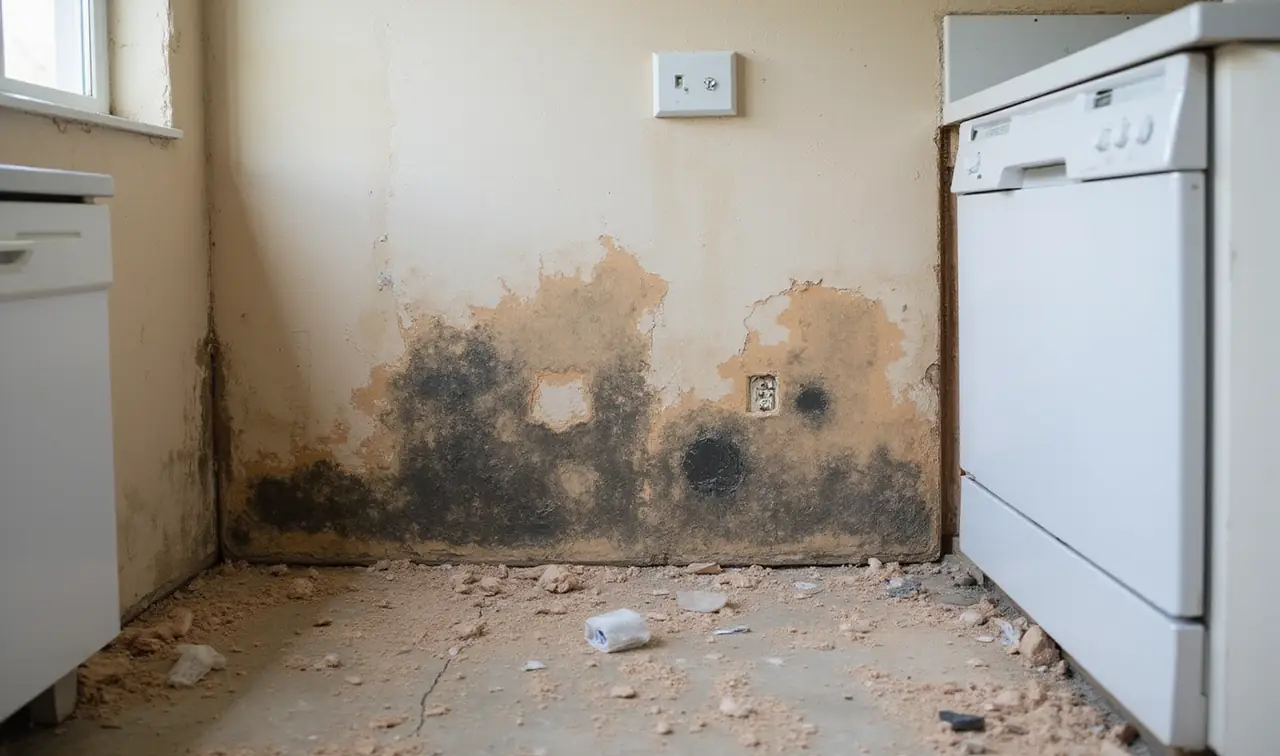
How it worksThe independent company you are connected with checks the cause, explains options and does the work with you.
The service timeline
How Mold Remediation Works Step by Step
The process flexes to the condition, but these checkpoints keep decisions clear.
Call and describe
You call (888) 318-2605 and tell us your town and what you see. We connect you with an independent mold remediation company that serves your area, and that company takes it from there directly with you.
Inspect and find moisture
The company looks at the affected area, checks for moisture and works out how far the mold has spread. Fixing the water source is planned first so the cleanup does not have to be repeated.
Contain the area
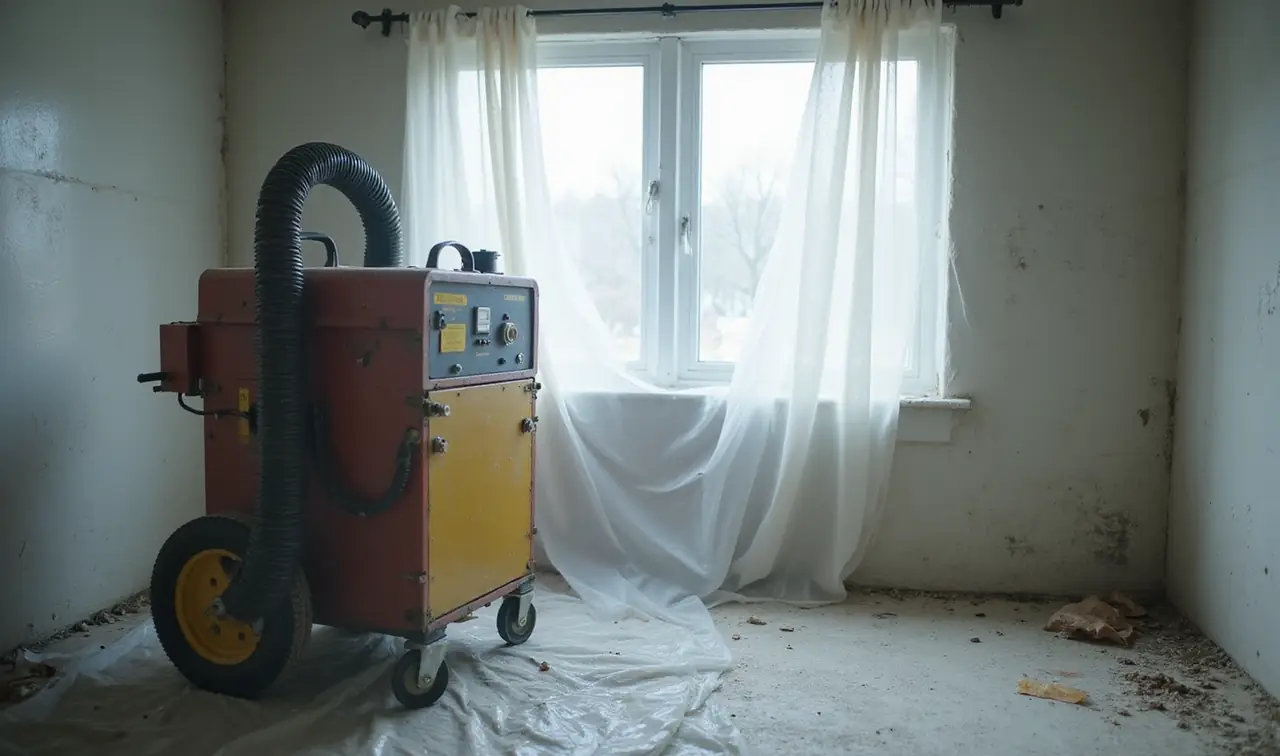
Plastic barriers and negative air or HEPA filtration isolate the work zone. This keeps spores out of the rest of the house while materials are disturbed during cleaning or removal.
Remove and clean
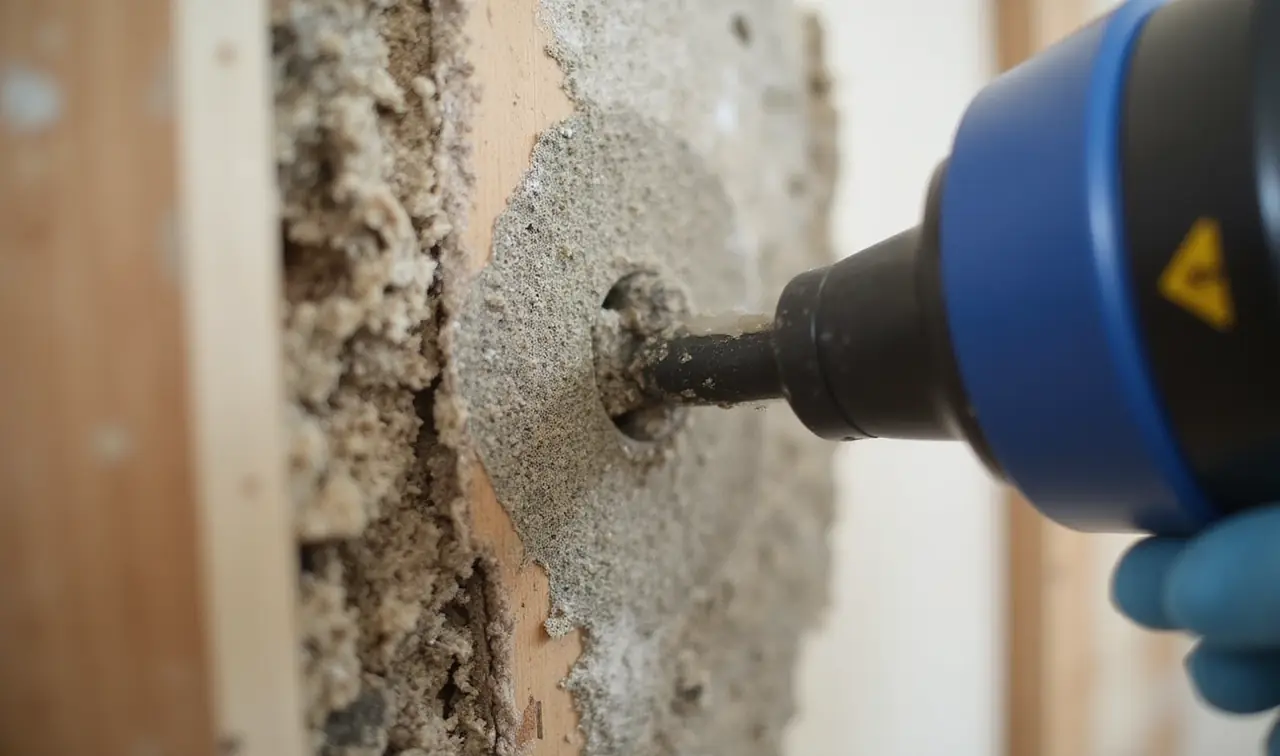
Affected porous materials are removed and bagged. Wood framing and other solid surfaces are cleaned. The exact approach depends on the material, the size of the area and how deep the growth goes.
Dry and verify
The space is dried and checked so moisture does not bring mold back. Some homeowners order independent post-remediation testing. Ask the company what finishing steps it uses on your job.
Tools & methods
Tools and Methods Used
Equipment the independent companies commonly use for this kind of work.
HEPA air scrubbers
Capture airborne particles during removal so spores are not pushed into the rest of the home.
Moisture meters
Measure moisture in wood, drywall and other materials to find damp spots and confirm drying.
HEPA vacuums
Clean surfaces after removal to pick up fine particles that regular vacuums spread around.
Containment barriers
Plastic sheeting and zippered doors isolate the work area from clean rooms.
Typical situations
When to Call for Mold Remediation
Typical situations callers describe. These are illustrations of common cases, not records of specific jobs.
Ceiling mold after a roof leak
A roof leak soaked an upstairs ceiling and dark spots appeared on the drywall within days. → The leak was repaired, wet drywall was removed and framing was cleaned and dried with containment.
Bathroom mold with hidden moisture
Mold kept returning on a bathroom ceiling despite repeated cleaning, and the exhaust fan barely moved air. → The company traced the moisture to a weak fan and a small leak, then cleaned the affected area.
Common problems
Mold Problems Remediation Addresses
People call about mold for many different reasons. Here are common situations in South Carolina and how remediation handles each.
A musty smell that gets stronger when it is humid outside
The company inspects likely spots, checks moisture and finds the source. Cleaning or removal follows once the cause is clear.
Visible mold on ceilings or walls after a roof or pipe leak
The company dries the area, fixes the leak path and removes or cleans affected materials with containment.
Mold returns after cleaning it yourself
Remediation starts with the moisture source and works outward, so the cleanup is not repeated.
Pricing process
What Affects Mold Remediation Cost
We do not set or quote prices. The independent company you are connected with explains its own pricing after looking at your property. What we can tell you is what usually drives the scope of a mold remediation South Carolina job, so you know what to ask about.
Size of the affected area
A small contained area is a very different job from mold across several rooms or a whole crawl space.
Moisture source
Fixing a leak, drainage problem or humidity issue adds to the scope but is what keeps mold from returning.
Materials involved
Porous materials like drywall and insulation often need removal and replacement, while wood framing is often cleaned.
What is mold remediation in South Carolina?
Mold remediation is a process, not a single product. It finds and fixes the moisture source, contains the area, removes or cleans affected materials, uses HEPA filtration, dries the space and checks the result. In South Carolina's humid climate, the moisture step is the most important.
Can I remove mold myself instead?
The EPA says areas under about 10 square feet can often be cleaned by a homeowner. Larger areas, HVAC contamination, or mold after sewage or flood water usually need a professional. Always fix the moisture source first or the mold returns.
How quickly does mold grow after water damage?
Mold can start growing on wet materials within 24 to 48 hours, according to EPA and CDC guidance. Drying quickly matters after any leak, storm or flood. Call soon so a company can dry the area and address mold together.
Will insurance pay for mold remediation?
It depends on your policy and the cause. Sudden and accidental water damage is treated differently from long-term leaks, and flood policies are separate. Check your policy and ask your insurance agent. We cannot say what any insurer covers.
Related services
Related Services
Crawl Space Mold Removal
Many South Carolina homes sit over vented crawl spaces where humidity feeds mold on joists. This is often where a remediation job begins, and the company can discuss moisture control alongside cleanup.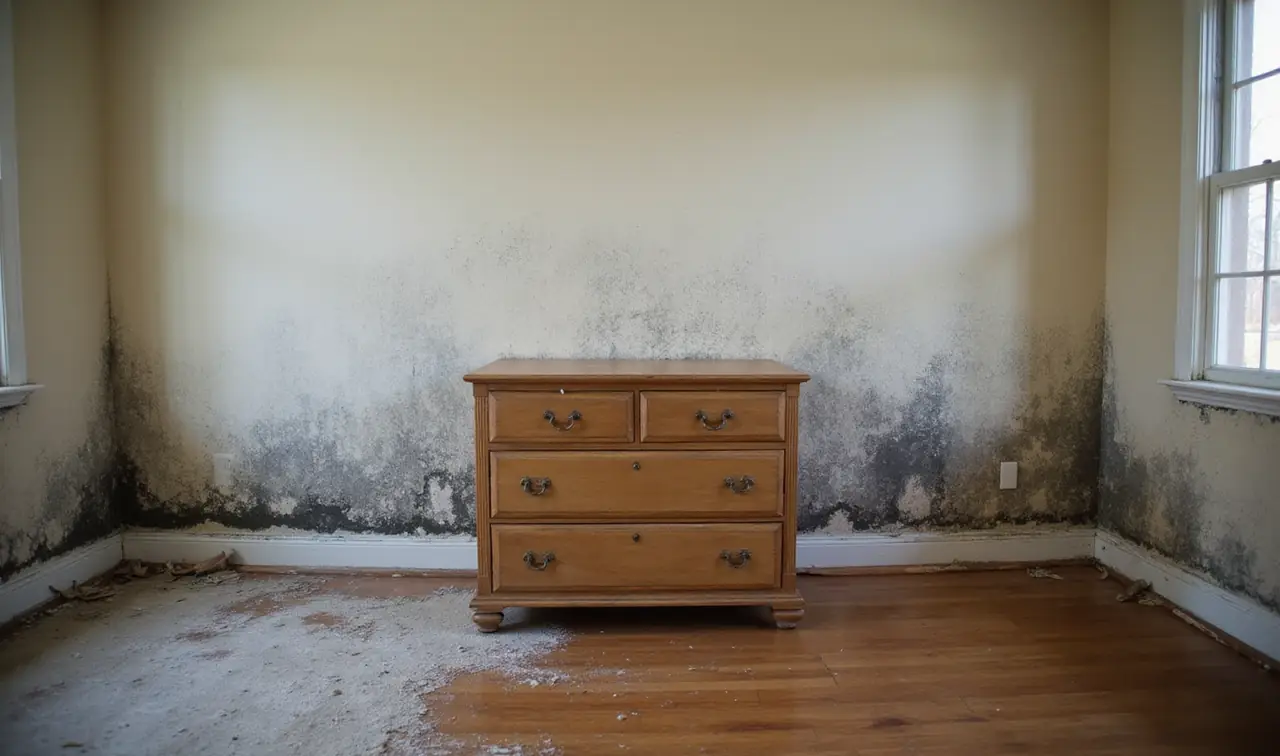
Black Mold Removal
Dark mold raises more worry than other colors, but color alone does not identify it. The remediation process is the same: find moisture, contain, clean or remove, dry and check.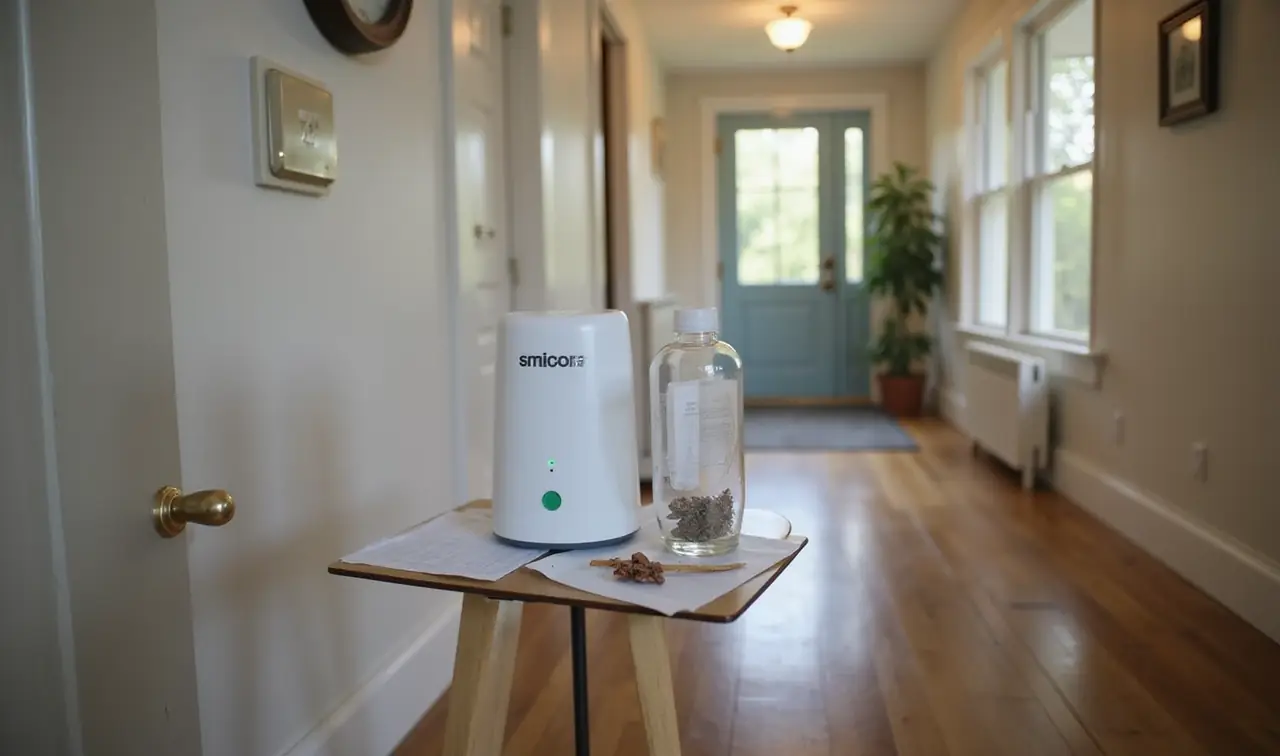
Mold Inspection and Testing
Inspection identifies where mold and moisture are before remediation begins. Some homeowners also order independent post-remediation testing afterward to confirm the result.Ready when you are
Start Mold Remediation in South Carolina Today
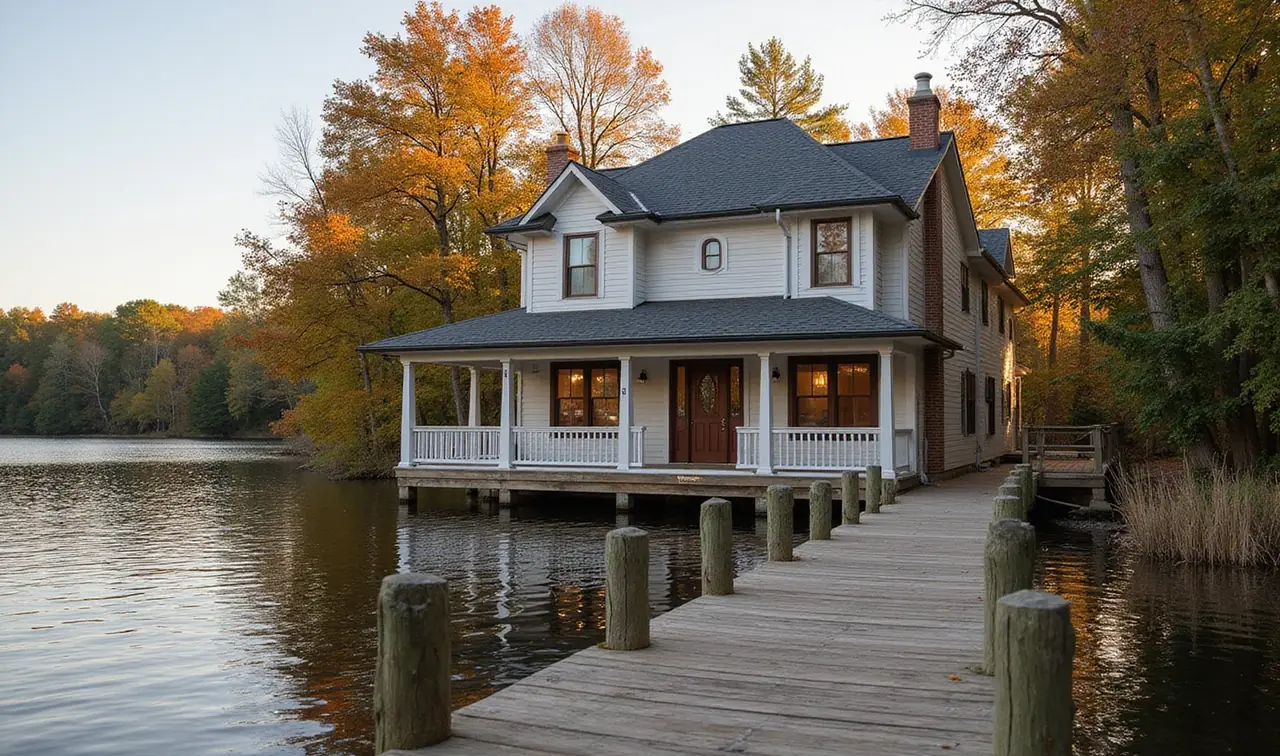
Tell us your town and what you found, and we connect you with an independent company that serves your area. Phone is the only way to reach us. Call now.
Call to be connected
Request Mold Remediation
Call (888) 318-2605 and tell us your town and what you found. We connect you with an independent mold remediation company that serves your area. Phone is the only way to reach us, and the company you are connected with handles the inspection and the work directly with you.
Call now to speak to a specialist
No forms to fill in. Call (888) 318-2605, describe the mold or moisture you are dealing with and where the home is, and we connect you with an independent local mold remediation company serving that part of South Carolina.
Call (888) 318-2605