What Kills Mold? When Cleaning It Yourself Works and When to Call
Detergent and water, drying and fixing the moisture source kill mold on hard surfaces. Here is when DIY works and when to call for help in South Carolina.
Call now to speak to a specialist
Call (888) 318-2605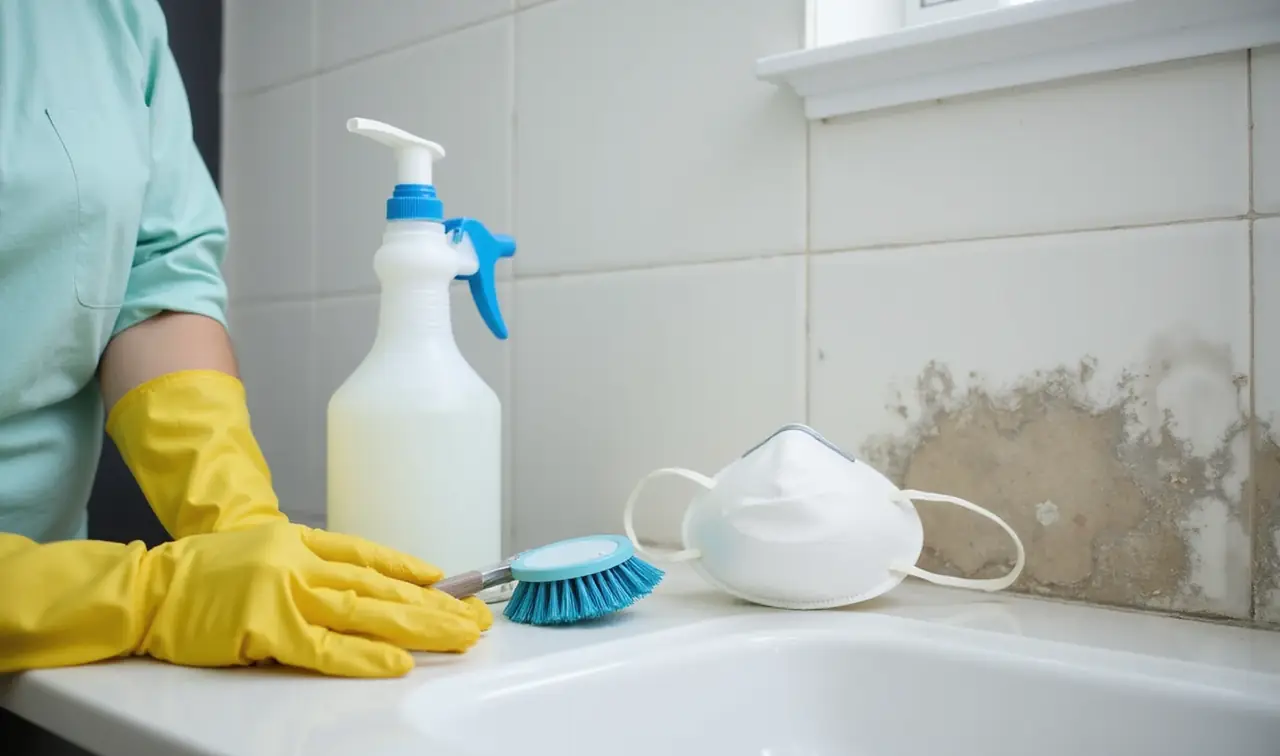
Detergent and water, a good scrub, and thorough drying remove mold from hard, non-porous surfaces like tile, glass and sealed metal. For anything porous, such as drywall, ceiling tile or carpet, cleaning rarely gets the job done and the material often has to come out. This guide covers what works, what does not, and where the line sits between a weekend cleanup and a job for a mold remediation company in South Carolina.
What actually kills mold on household surfaces?
On hard surfaces, plain detergent and water physically lift mold off, which matters more than whether the cleaner kills it. Dead mold is still mold residue, so the goal is removal, not just a chemical bath.
These are the common options homeowners use:
- Detergent and water: The EPA's basic recommendation for non-porous surfaces. Scrub, rinse, and dry.
- White vinegar: Mildly acidic and fine on many hard surfaces. Spray, let it sit about an hour, scrub, and wipe.
- Hydrogen peroxide (3 percent): Works on some hard surfaces. Test a hidden spot first because it can lighten finishes.
- Diluted bleach: Can lighten stains on tile and grout, but it is not a cure for mold in wood or drywall.
Whatever you use, never mix cleaning products. Bleach and ammonia is the classic dangerous combination.
What does not work as well as people think
Bleach on porous materials is the biggest myth in mold cleanup. Mold grows roots into drywall, wood and insulation, and bleach mostly stays on the surface while the water in it soaks in and feeds what is underneath.
Painting over mold, using fogger products as a stand-alone fix, and wiping a stain without drying the area also fail. The stain returns, often within a few weeks in a humid South Carolina summer.
How to clean a small patch of mold
A small patch on a hard surface can be cleaned in under an hour. EPA guidance says areas smaller than about 10 square feet can often be handled by a homeowner.
- Stop the water source first. A cleaned wall that keeps getting wet will grow mold again.
- Wear gloves, goggles and an N95 respirator. Open a window if you can.
- Scrub with detergent and water, then rinse with a damp cloth.
- Dry the surface fully with a fan or dehumidifier. Mold can start growing on a wet surface within 24 to 48 hours.
- Bag the cloths and sponges and take them out of the house.
If you are dealing with a small bathroom problem, our page on Bathroom Mold Removal in South Carolina explains when a shower or tub area is a cleaning job and when it points to a hidden leak.
Why the moisture source matters more than the cleaner
Mold in a South Carolina home almost always traces back to moisture, and no cleaner fixes a leak. Humidity in the Midlands and Upstate summers, salt air and tropical storms on the coast, and vented crawl spaces under many homes all keep moisture high.
The EPA suggests keeping indoor humidity below 60 percent, ideally between 30 and 50 percent. A cheap hygrometer from a hardware store tells you where you stand.
Look for the usual culprits: a dripping supply line, a roof leak, a clogged AC condensate drain, a bathroom fan that vents into the attic, or a crawl space with standing water. In coastal areas like Mold Removal in Charleston, tidal flooding and storm surge add another layer, because flood water carries contamination that ordinary cleaning does not address.
Is it safe to clean mold yourself?
Cleaning a small patch of mold yourself is generally reasonable when you protect your eyes, skin and airway and keep the work contained. If anyone in your home has health concerns, talk to a doctor first. The CDC and the South Carolina Department of Environmental Services (SC DES) both publish guidance on health questions, and SC DES runs a mold hotline at 888-815-3509.
Do not sweep or dry-brush mold. That throws spores into the air and spreads them to rooms that were clean.
Common mistakes
- Spraying bleach on drywall or wood and calling it done.
- Cleaning the visible spot but leaving the leak in place.
- Skipping the drying step.
- Running a fan that blows spores across the house.
- Cutting into a wall without knowing whether the area is larger than it looks.
That last one catches people often. A stain on the outside of a wall can be the edge of a much bigger problem behind it, especially around plumbing. If you are unsure what is behind a wall, Mold Inspection and Testing in South Carolina is worth reading before you start cutting.
When to call a professional
You should call a professional when the mold covers more than about 10 square feet, when it keeps coming back after cleaning, or when the material is porous and soaked. Other signs include mold after sewage or flood water, mold in or near your HVAC system, and a musty smell with no visible source.
Mold Removal South Carolina is a referral line. When you call, we connect you with an independent local mold remediation company that serves your area, and that company inspects the home and explains what it would take to fix it.
For larger projects, such as mold that followed a leak or storm, Mold Remediation in South Carolina describes what the process generally involves.
Frequently Asked Questions
Does bleach kill mold?
Bleach can kill surface mold on hard, non-porous materials like tile. It does not reliably kill mold inside porous materials such as drywall or wood, and the EPA does not recommend it as a routine mold treatment.
Does vinegar kill mold?
White vinegar can remove mold from many hard surfaces. Spray it on, wait about an hour, scrub and wipe it dry. Porous materials usually need to be removed instead.
How long should I wait before deciding a cleanup worked?
Dry the area within 24 to 48 hours, then watch it for several weeks. If the stain or smell returns, moisture is still getting in and you likely need someone to look deeper.
Can I clean black mold myself?
Color does not tell you how serious mold is. The same size rule applies: under about 10 square feet on a hard surface can often be cleaned, and anything larger or on porous material is better handled by a professional.
Get help with Mold Removal in South Carolina
If your mold problem is bigger than a small patch, call (888) 318-2605 and we will connect you with an independent local mold remediation company in your area.