Mold on the Ceiling or Walls: Causes and When to Call
Mold on a ceiling or wall usually traces to a leak, condensation or high humidity. Here are the causes, the signs of mold in walls, and when to call.
Call now to speak to a specialist
Call (888) 318-2605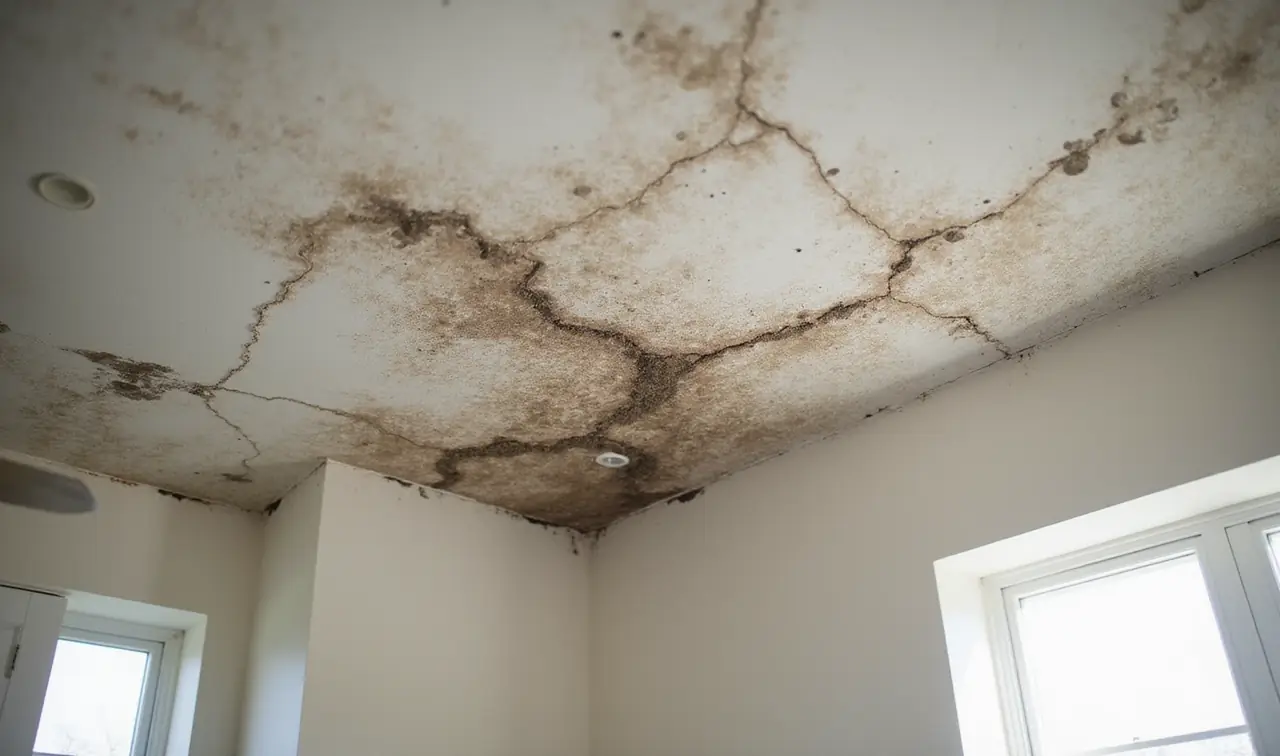
Mold on a ceiling or wall almost always traces back to moisture: a roof or plumbing leak, condensation from poor ventilation, or persistently high humidity. The stain you see is often only the visible edge of wet material behind it. Fixing the water source comes first, and cleaning or removal comes second.
What causes mold on a ceiling or wall?
Mold on a ceiling or wall is caused by moisture that stays on or inside the surface long enough to support growth. Mold can start growing on wet materials within 24 to 48 hours, so even a short leak can leave a lasting problem.
The usual causes are roof leaks, plumbing leaks inside walls, condensation on cool surfaces, and humidity above the EPA's suggested limit of 60 percent. In South Carolina, humid summers and storm season make each of these more likely.
Signs of mold in walls
The signs of mold in walls include discoloration, a musty smell, bubbling or peeling paint, and drywall that feels soft or damp. You may also see warped baseboards or stains that grow after rain.
- Dark, green, gray or white spots, often in clusters or rings.
- A persistent musty odor, especially in one room.
- Paint bubbling, cracking or peeling.
- Soft, swollen or crumbling drywall.
- Stains that darken after rain or when the AC runs.
Because mold in walls is hidden, the visible patch can be misleading. Mold Inspection and Testing in South Carolina explains how moisture checks help find what is behind the surface.
Common sources by room
The room tells you a lot about the cause. A few patterns show up again and again.
- Bathrooms: showers and tubs, and fans that do not vent outdoors. Bathroom Mold Removal in South Carolina covers this in detail.
- Top-floor ceilings: roof leaks, failing flashing, and attic condensation. See Attic Mold Removal in South Carolina for the attic side of the problem.
- Exterior walls: window leaks, gutter overflow, and poor drainage.
- Kitchen and laundry walls: supply lines, drain lines and appliance leaks.
- Around vents: sweating ducts and AC drain issues.
Upstate cities such as Mold Removal in Greenville see heavier rain, which can test roofs and flashing, while coastal homes also deal with salt air and storm moisture.
What to do first
Stop the water, then document and dry the area. A stain that keeps getting wet will keep growing mold.
- Find and stop the source. Turn off the water supply if a pipe is leaking.
- Take dated photos of the stain and the surrounding area.
- Dry the area with fans and a dehumidifier. Run the AC to lower humidity.
- Check the attic or the room above for the source.
- Decide whether the area is small enough to clean yourself.
Can you clean mold off a ceiling?
You can clean small areas on sealed, hard surfaces, but ceiling drywall is porous, so soaked or deeply stained drywall usually has to be replaced. EPA guidance says areas under about 10 square feet can often be handled by a homeowner.
If you do clean, wear gloves, goggles and an N95 respirator, wipe with detergent and water, and dry the surface completely. Do not paint over mold, and do not mix cleaning products.
Common mistakes
- Painting over the stain without fixing the leak.
- Scrubbing dry drywall so that spores spread.
- Ignoring a ceiling stain that appears after every rain.
- Cutting open a wall with no plan for what is behind it.
- Waiting until the drywall sags.
When to call a professional
Call a professional when mold covers more than about 10 square feet, when the ceiling is sagging, when the source is unclear, or when it keeps returning after cleaning. Mold Removal South Carolina is a referral line that connects you with an independent local mold remediation company, and that company inspects the home and explains the next steps.
If you have health questions, talk to a doctor. The CDC and the South Carolina Department of Environmental Services (SC DES) have guidance, and SC DES runs a mold hotline at 888-815-3509.
Frequently Asked Questions
Why is there mold on my ceiling?
Usually from a roof leak, plumbing leak, condensation or high humidity. Find the moisture source first, then deal with the mold.
Can I paint over mold on a wall?
No. Paint does not stop mold from growing and the stain will usually return. Remove the growth and fix the moisture before repainting.
Is mold in walls always visible?
No. Hidden mold inside wall cavities may show only as odor, bubbling paint or soft drywall. A moisture check can help locate it.
How big is too big to clean myself?
The EPA suggests about 10 square feet as a rough limit. Larger areas, soaked drywall or mold after sewage or flooding should be handled by a professional.
Get help with Mold Removal in South Carolina
If you have mold on a ceiling or wall, call (888) 318-2605 and we will connect you with an independent local mold remediation company that serves your area.