How to Test for Mold in Your House and When to Hire an Inspector
Start with your eyes, nose and a moisture check. Here is how to test for mold in your house, what DIY kits miss, and when an inspector makes sense.
Call now to speak to a specialist
Call (888) 318-2605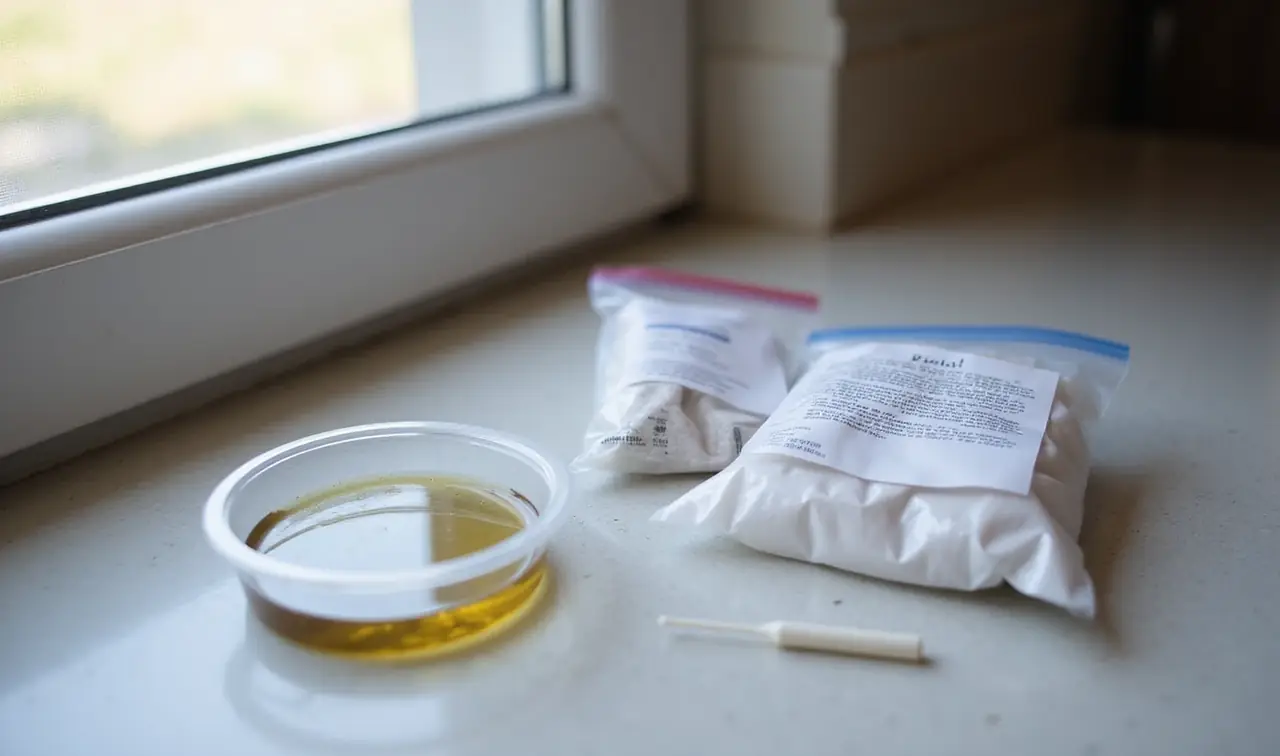
The most reliable first test for mold in your house is a careful look and sniff, combined with a check for moisture. Visible growth, a musty smell, water stains and high humidity tell you far more than a drugstore test kit. Hire an inspector when you suspect hidden mold, when mold keeps returning, or when you need to document conditions for a sale, a lease or an insurance claim.
How do you test for mold in your house?
You test for mold in your house by inspecting for visible growth, following your nose to musty odors, and checking for moisture with a hygrometer or moisture meter. Mold testing is a way of finding out whether mold is present and, with professional sampling, what kind and how much.
Start with a room-by-room walk. Look at ceilings, corners, window frames, the area around plumbing, and the back of closets. Use a flashlight and look at an angle, since mold can show up as fuzzy, speckled or slimy patches in white, green, gray or black.
Do home mold test kits work?
Home mold test kits can confirm that mold spores exist, but spores are in almost every home, so a positive result does not tell you whether you have a problem. The EPA does not generally recommend routine sampling, and says the first step is to find and fix the moisture.
Kits also cannot see inside walls or under floors. If a kit comes back positive, you still need to find where the mold is growing and why.
Check moisture and humidity first
Moisture is the real test, because mold needs it to grow. The EPA suggests keeping indoor humidity below 60 percent, ideally between 30 and 50 percent.
- Place an inexpensive hygrometer in the rooms you suspect.
- Feel for damp drywall, cold spots and warped baseboards.
- Check under sinks, behind toilets and around the water heater.
- Look at the AC drain line and the area around the air handler.
Mold can start growing on wet materials within 24 to 48 hours, so any recent leak or flood deserves a close look.
Where to look in South Carolina homes
Humid summers, coastal storms and vented crawl spaces make certain areas of South Carolina homes more prone to mold. Check these first:
- Crawl spaces: joists, subfloor and any plastic vapor barrier. A white, fuzzy growth on wood is common.
- Attics: roof decking and insulation, especially near bathroom fan vents.
- Bathrooms: grout, ceiling corners and around the tub.
- Around HVAC: vents, return grilles and the drain pan.
If you suspect the crawl space, Crawl Space Mold Removal in South Carolina describes what is commonly found there. In Charleston and along the coast, tidal flooding and salt air add to the problem, as covered on Mold Removal in Charleston.
What an inspector adds
An inspector adds tools and training that an ordinary homeowner does not have. That can include moisture meters, thermal imaging for finding wet areas, and sampling plans for air or surface testing.
An inspection is useful when the source is not obvious, when you want a written record, or when you are comparing before and after a cleanup. Mold Inspection and Testing in South Carolina explains what that process generally looks like.
One caution: when testing is done to verify a cleanup, some homeowners order independent post-remediation testing from a company that did not do the removal, to keep the results separate.
Common mistakes
- Buying a kit and treating a positive result as a diagnosis.
- Testing without looking for the moisture source.
- Opening walls before you know how far the problem extends.
- Ignoring a persistent musty smell because nothing is visible.
- Cleaning the area before photographing it.
When to call a professional
Call a professional when you see mold larger than about 10 square feet, when there is a musty smell but no visible source, or when mold follows a flood or sewage backup. Mold Removal South Carolina is a referral line that connects you with an independent local company, and that company looks at your home directly.
If you have health questions, talk to a doctor. The CDC and the South Carolina Department of Environmental Services (SC DES) have guidance, and SC DES runs a mold hotline at 888-815-3509.
Frequently Asked Questions
Can I test for mold myself?
You can check for visible growth, odors and humidity yourself. Home kits detect spores but cannot tell you whether you have a problem or where it is hidden.
Should I hire a mold inspector?
Consider it when mold is suspected but hidden, when it keeps coming back, or when you need documentation for a sale, lease or insurance claim.
What humidity level is too high?
The EPA suggests keeping indoor humidity below 60 percent, ideally 30 to 50 percent. Readings above 60 percent for long stretches make mold growth more likely.
Is mold testing required before cleanup?
Not always. If you can see mold, the EPA says sampling is often unnecessary, and the priority is fixing the moisture and removing the growth.
Get help with Mold Removal in South Carolina
If you suspect mold in your home, call (888) 318-2605 and we will connect you with an independent local mold remediation company that serves your area.