How Long Does Mold Remediation Take?
How long mold remediation takes depends on the size of the area, the materials, access and drying. Here is what changes the timeline in South Carolina.
Call now to speak to a specialist
Call (888) 318-2605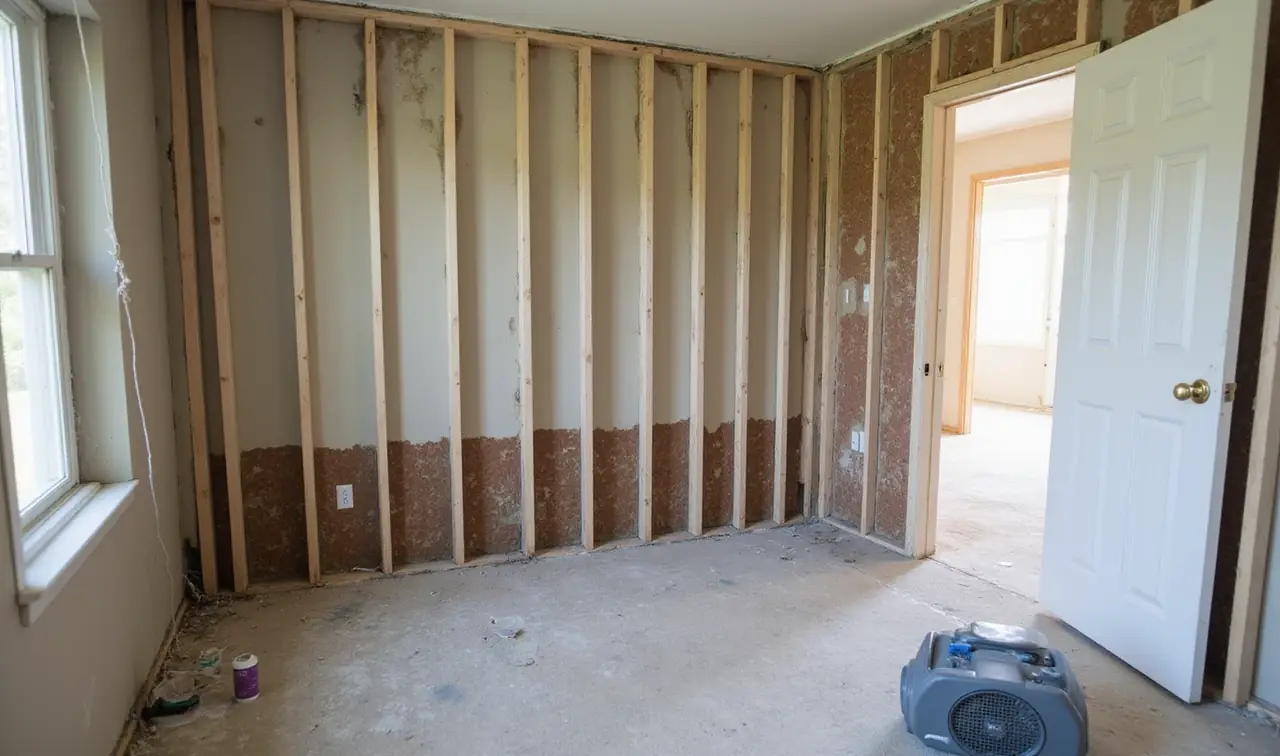
How long mold remediation takes depends on the size of the affected area, the materials involved, how hard the space is to reach, and how long drying takes. Small, contained jobs move quickly, while larger jobs with hidden moisture, demolition or rebuilding take longer. The independent company you are connected with can explain timing for your home after it inspects the property, and this page does not promise a timeframe.
How long does mold remediation take?
Mold remediation takes as long as the steps it requires: finding the moisture, containing the area, removing or cleaning materials, drying and verifying. There is no standard length because each home has a different mix of those steps.
Mold remediation is the process of fixing moisture, containing and removing contaminated materials, and drying the space so mold does not return. For the full sequence, see Mold Remediation in South Carolina.
Size and location of the mold
The size and location of the mold set the pace of the job because bigger areas mean more containment, more materials and more cleanup. EPA guidance treats about 10 square feet as the rough line between a homeowner cleanup and a professional job.
- A single wall or ceiling section is simpler than several rooms.
- An open room is faster to work in than a low crawl space.
- Attics and wall cavities add access challenges.
- HVAC involvement adds steps for the ductwork.
Under-house work is a common example of a location effect. Crawl Space Mold Removal in South Carolina explains why tight, wet spaces change how work is planned.
Materials and demolition
The type of materials involved changes the work because porous materials usually have to be removed while hard materials can often be cleaned. Wet drywall, insulation and carpet are typically cut out and bagged, which takes more time than wiping a hard surface.
The more removal that is needed, the more setup and cleanup is required. Rebuilding afterward, such as new drywall, paint or flooring, is often a separate project with its own schedule.
Drying and the moisture source
Drying and moisture repair are often the longest parts of the process, and they depend on the water source and the weather. Humid South Carolina summers and coastal moisture make drying slower, and the EPA suggests keeping indoor humidity below 60 percent, ideally 30 to 50 percent.
If a leak is still active, it has to be repaired first or the job cannot be completed. Mold can start growing on wet materials within 24 to 48 hours, so delays can enlarge the affected area. Water Damage Mold Cleanup in South Carolina explains how the water event shapes the schedule.
Coastal homes in places like Mold Removal in Hilton Head Island may need longer drying time because of salt air and storm moisture.
Testing, inspections and repairs
Testing, inspections and approvals can add steps to the timeline. An initial inspection helps define the scope, and some homeowners order independent post-remediation testing, which includes waiting for lab results.
- Initial inspection and moisture mapping.
- Optional post-remediation testing.
- Insurance review, if you are filing a claim. Check your policy and ask your agent.
- Permits or building repairs, when needed.
Mold Inspection and Testing in South Carolina describes what inspection involves.
Common mistakes
- Expecting a firm end date before the home is inspected.
- Rushing the drying stage.
- Rebuilding before moisture readings are normal.
- Leaving a leak unfixed.
- Waiting so long that the area grows.
When to call a professional
Call a professional when mold covers more than about 10 square feet, follows flood or sewage water, involves HVAC, or has returned after cleaning. Mold Removal South Carolina is a referral line that connects you with an independent local company, and that company inspects the home and explains scope and timing directly with you.
If you have health questions, talk to a doctor. The CDC and the South Carolina Department of Environmental Services (SC DES) have guidance, and SC DES has a mold hotline at 888-815-3509.
Frequently Asked Questions
Can you tell me exactly how long my job will take?
No, because the timeline depends on size, materials, access, drying and testing. The company that inspects your home can explain what to expect.
What slows mold remediation down?
Hidden moisture, extensive demolition, difficult access, slow drying in humid weather, and waiting on testing or insurance steps all change the length.
Does drying take longer than cleaning?
Often it can. Drying runs until moisture readings are back to normal, and humid South Carolina weather can slow it down.
Can I move back in right after the cleanup?
That depends on the scope and the area affected. Ask the company you are connected with when it is appropriate to return to the space.
Get help with Mold Removal in South Carolina
To talk about your situation, call (888) 318-2605 and we will connect you with an independent local mold remediation company that serves your area.