Does Renters Insurance Cover Mold? A Guide for South Carolina Renters
Whether renters insurance covers mold depends on your policy and what caused the moisture. Here is general guidance for South Carolina renters.
Call now to speak to a specialist
Call (888) 318-2605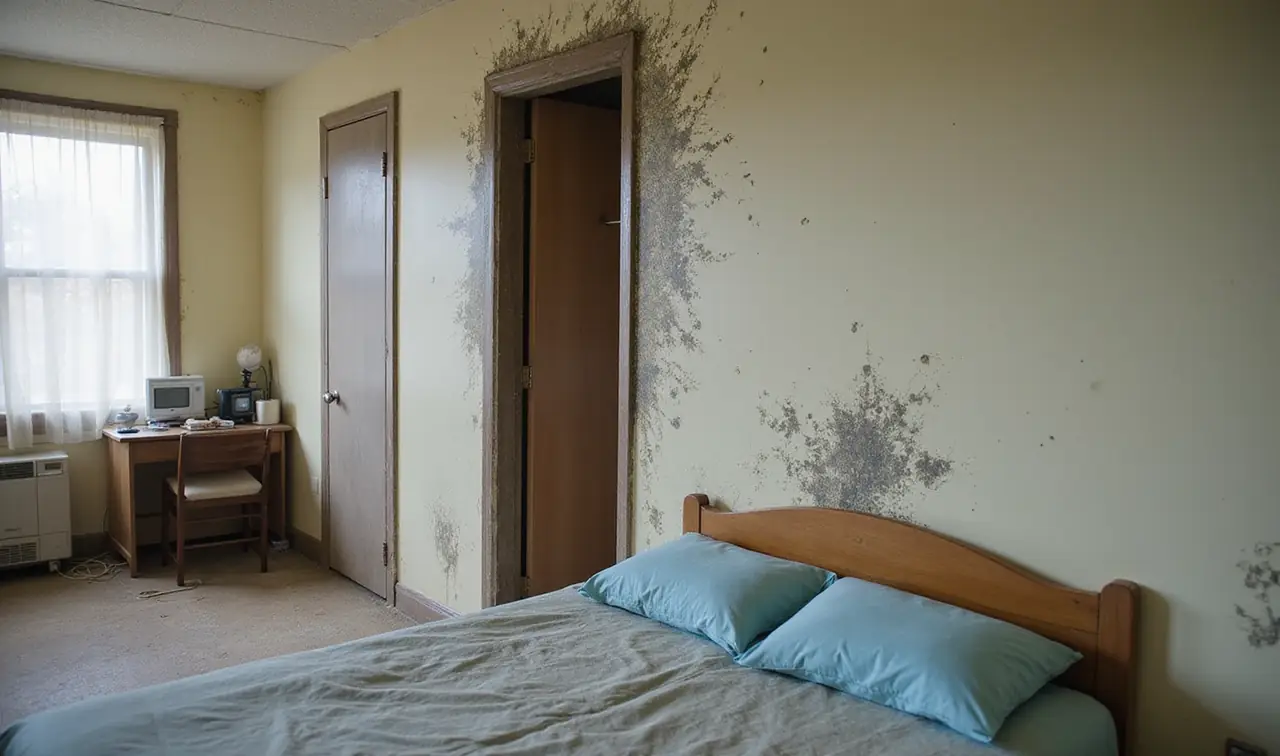
Renters insurance may cover mold if it results from a covered event, such as sudden and accidental water damage, but coverage depends entirely on your policy wording. Many policies protect your belongings, not the building, and mold from long-term leaks or humidity is often treated differently. This guide gives general information for South Carolina renters. It is not legal or insurance advice, so read your own policy and ask your agent.
Does renters insurance cover mold?
Renters insurance covers mold only when your specific policy says it does and the cause of the moisture is a covered event. There is no single answer that applies to every policy or every insurer.
Renters insurance is a policy that generally protects your personal property and sometimes additional living expenses, rather than the structure of the building. That is why your landlord and your insurer may each be involved when mold appears.
What renters insurance usually looks at
Insurers generally look at the cause of the water that led to the mold, not just the mold itself. Policies often draw lines between sudden and accidental events and gradual or ongoing problems.
- A burst pipe in a neighboring unit is a different situation from a slow drip that went unreported for months.
- Flooding, including storm surge and rising water, is usually handled by separate flood policies, not standard renters coverage.
- Some policies exclude mold or limit it, and some add endorsements. Your declarations page and exclusions section will say which applies to you.
We cannot say what any specific insurer covers. Call your agent and ask them directly how your policy treats mold and water damage.
What your landlord is responsible for
In South Carolina, landlord and tenant duties are generally set by the South Carolina Residential Landlord and Tenant Act and by your lease. Maintaining the building and fixing leaks is typically a landlord issue, while damage to your own belongings is where your renters policy comes in.
Rules vary by situation, so read your lease and, if the dispute is serious, consider talking to a legal aid service or an attorney. We do not give legal advice here.
What to do first if you find mold in a rental
Start by notifying your landlord in writing and keeping a copy. Written notice creates a record, which helps if the problem is disputed later.
- Take dated photos and videos of the mold and the damaged areas.
- Send the landlord a written notice by email or letter, and keep proof of when you sent it.
- Move belongings away from the affected area if you can do so safely.
- Contact your renters insurance agent to ask whether a claim makes sense.
- Do not start tearing out walls in a unit you do not own.
If you have health questions, talk to a doctor. The CDC and the South Carolina Department of Environmental Services (SC DES) have guidance, and SC DES has a mold hotline at 888-815-3509.
Records that help
Good records make every conversation easier, with a landlord, an agent or an adjuster. Keep a simple folder with these items:
- Photos and videos with dates.
- Copies of every message to your landlord and every reply.
- Receipts for damaged belongings, if you have them.
- Your lease and your policy documents.
Mold can start growing on wet materials within 24 to 48 hours, so report water problems quickly rather than waiting to see if they dry on their own.
Common mistakes
- Assuming renters insurance pays for building repairs.
- Reporting by phone only, with nothing in writing.
- Cleaning up everything before documenting it.
- Waiting until the mold has spread across several rooms.
Coastal and humid areas see this often. Rental condos and apartments near Mold Removal in Myrtle Beach deal with salt air and constant humidity, and in Columbia, a Midlands city with hot, humid summers, Mold Removal in Columbia sees similar rental complaints from older buildings with aging HVAC systems.
When to call a professional
Call a professional when the mold is widespread, keeps returning, or follows a leak you cannot trace. As a renter, your landlord usually has to authorize work in the building, so involve them first.
Mold Removal South Carolina is a referral line that connects you with an independent local company. If you are a renter and your landlord agrees to bring someone in, Mold Inspection and Testing in South Carolina explains how an inspection can show how far moisture has spread, and Mold Remediation in South Carolina explains what cleanup generally involves.
Frequently Asked Questions
Does renters insurance pay to remove mold from my apartment?
Usually not for the building itself. Coverage, if any, depends on your policy and the cause of the water. Ask your agent and read the mold and water damage sections of your policy.
Does renters insurance cover my belongings damaged by mold?
Possibly, if the mold came from a covered event such as sudden water damage. Gradual leaks and humidity are often excluded or limited, so check your policy.
Who pays for mold in a rental, the landlord or me?
Building repairs are generally the landlord's responsibility under South Carolina's landlord and tenant rules and your lease. Notify your landlord in writing and keep records of everything.
Should I clean the mold myself?
Small patches under about 10 square feet on hard surfaces can often be cleaned, but tell your landlord first and take photos before you start. Larger areas or hidden mold should be left to a professional.
Get help with Mold Removal in South Carolina
If you need to talk through a mold problem in your rental, call (888) 318-2605 and we will connect you with an independent local mold remediation company that serves your area.